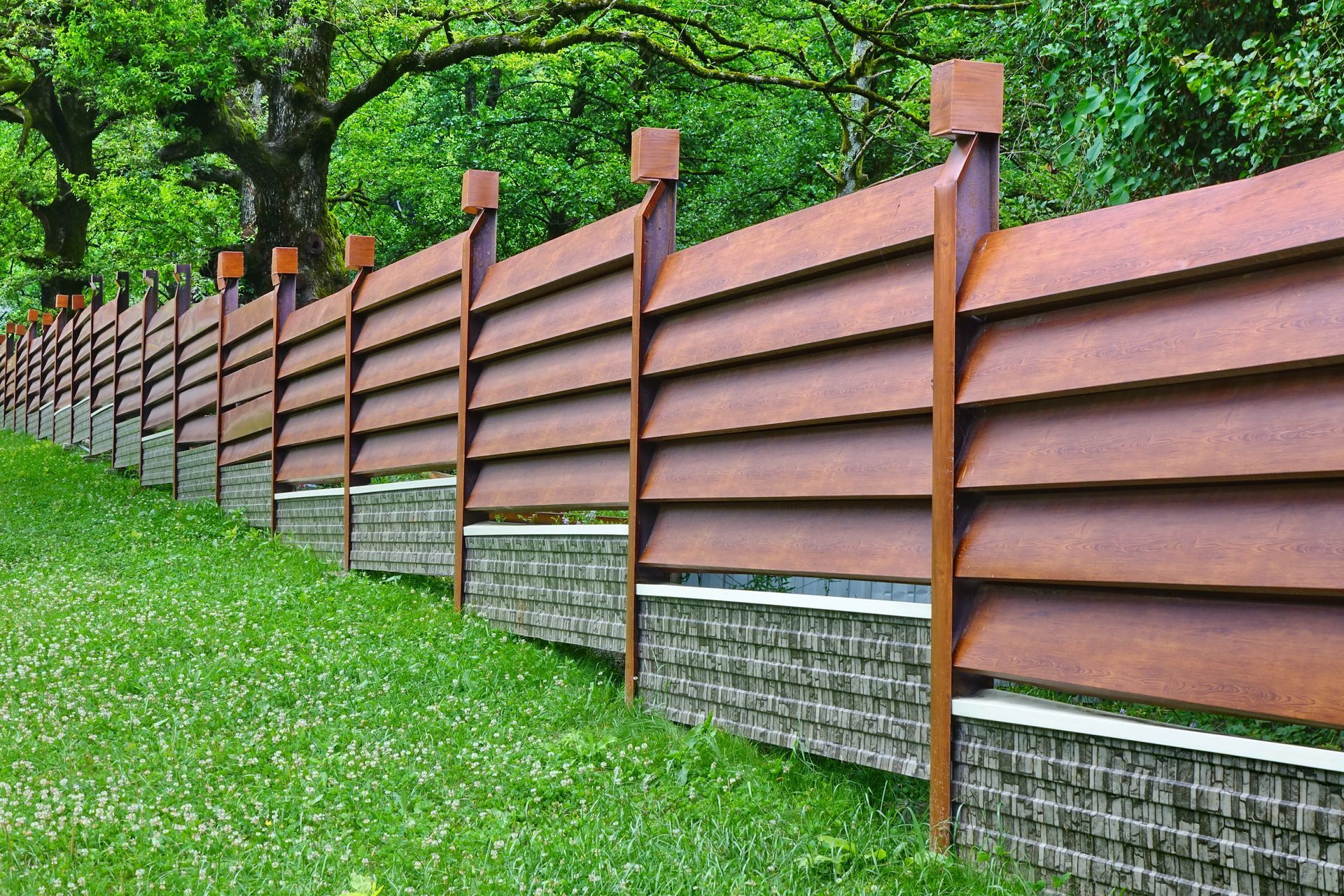
Eco-Friendly Fencing Materials & Practices
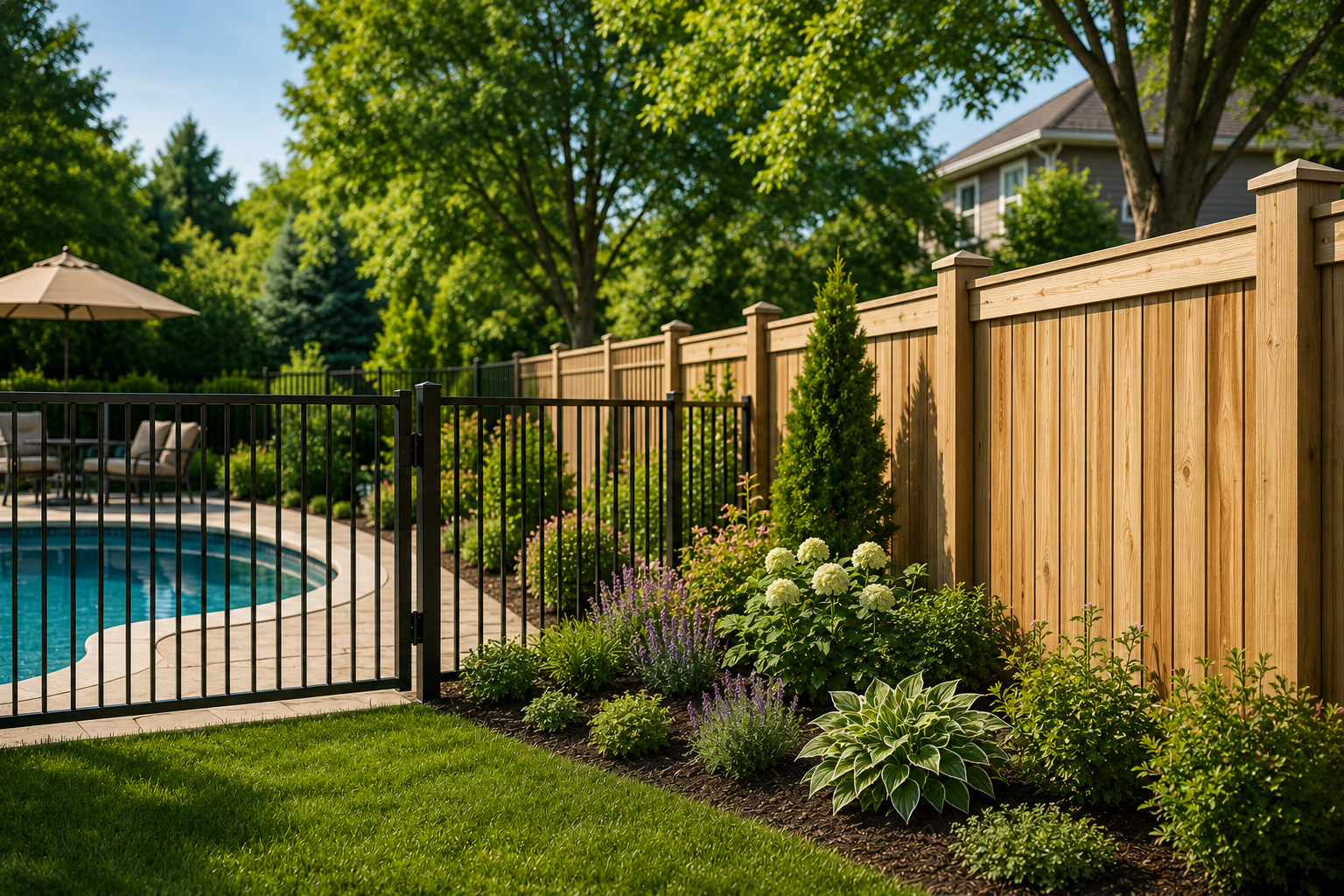
Sustainable fencing options for Madison, WI homeowners who want durability, curb appeal, and less environmental impact
Homeowners across Madison and Dane County are paying closer attention to how their home improvement decisions affect the environment. Fencing is no exception. The material you choose, how the fence is installed, how long it lasts, and what happens to it at the end of its useful life can all influence its overall environmental footprint.
An eco-friendly fence does not have to look rustic or sacrifice privacy, security, or durability. Sustainable fencing is largely about choosing the right material for the property, avoiding unnecessary waste, and installing the fence correctly so it performs for as long as possible.
At Good Neighbor Fencing, we help Madison-area homeowners compare practical fencing options based on appearance, maintenance, durability, and long-term value.
What Makes a Fence Eco-Friendly?
There is no single fencing material that is automatically the most environmentally friendly choice for every home. A fence should be evaluated across its full life cycle.
Important factors include:
- Where the raw materials come from
- Whether recycled materials are used
- How much maintenance the fence requires
- How long the fence is expected to last
- Whether damaged sections can be repaired
- Whether the material can be reused or recycled
- How much waste is created during installation
A fence that lasts for decades and requires few replacement materials may be more sustainable than a product that initially appears environmentally friendly but needs frequent repairs or early replacement.
Responsibly Sourced Wood Fencing
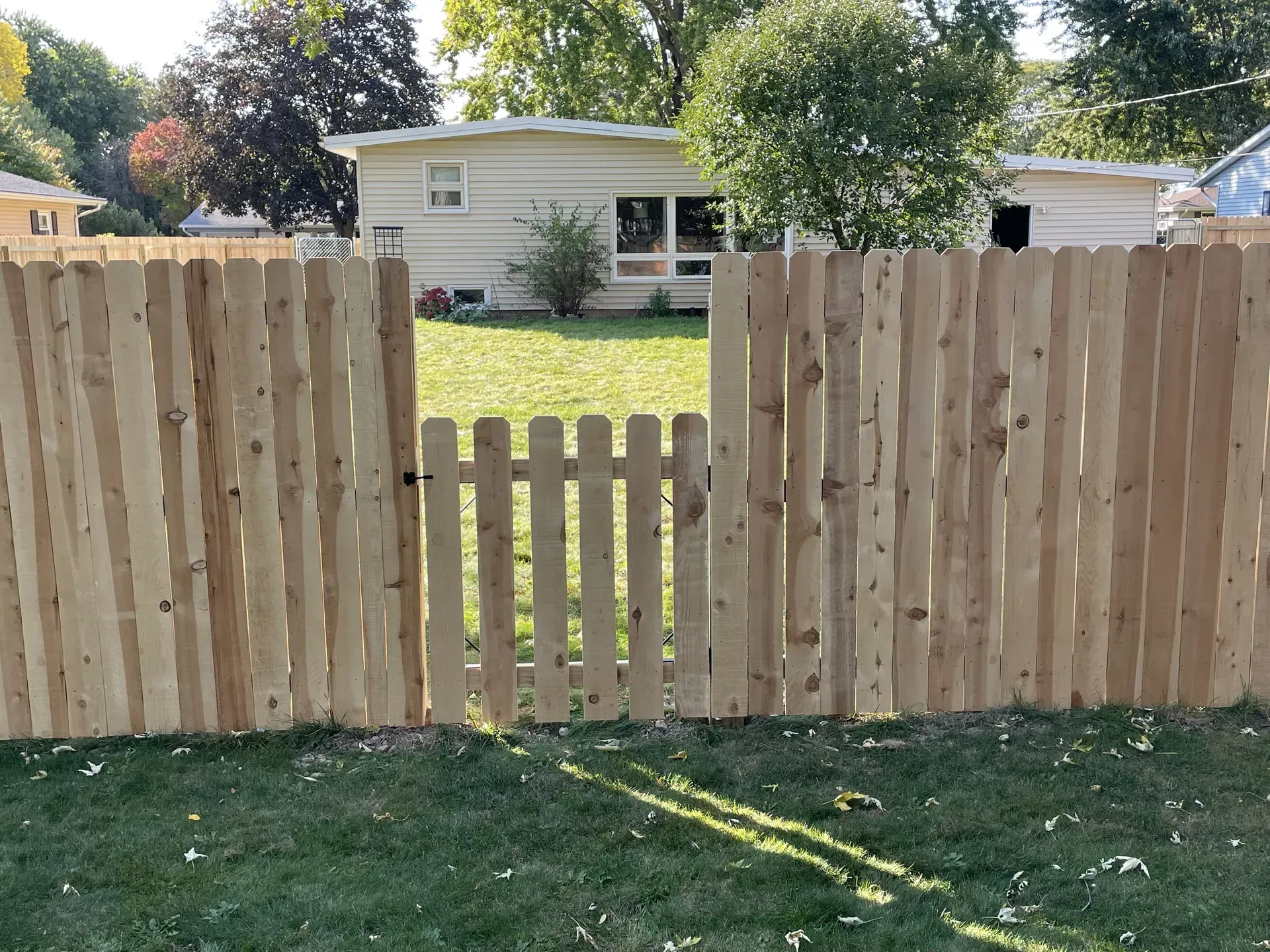
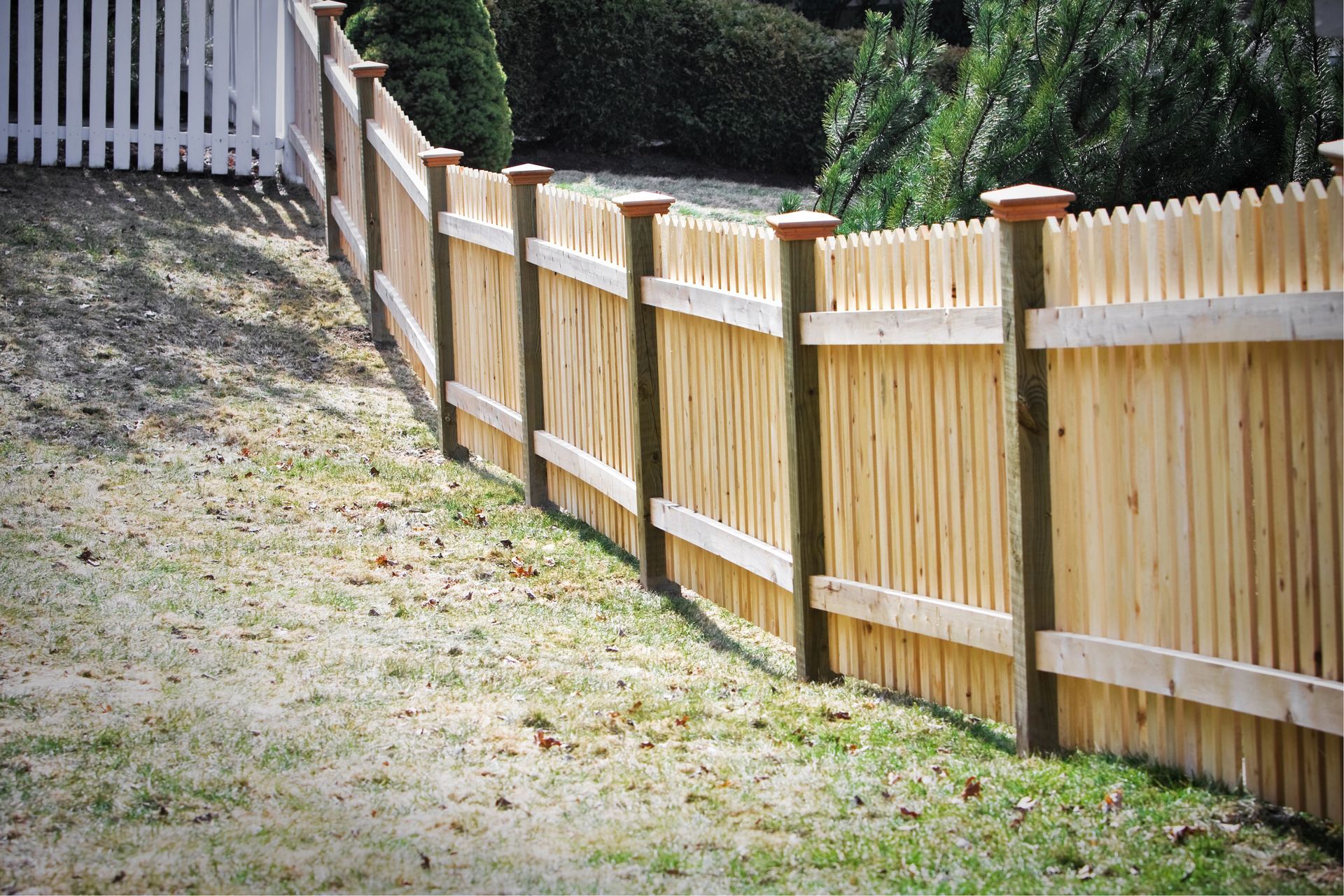
Wood is a renewable material and remains one of the most natural-looking fencing choices available. For environmentally conscious homeowners, the source of the lumber matters.
Whenever possible, look for wood that comes from responsibly managed forests. Forest Stewardship Council certification is one recognized standard used to identify wood products sourced according to responsible forest-management requirements.
A professionally installed wood fence in Madison, WI can also be repaired one board, rail, or post at a time. This allows homeowners to replace damaged components without tearing out the entire fence.
Environmental advantages of wood fencing
- Made from a renewable natural material
- Individual components can often be repaired
- Can be stained rather than painted
- May be reused or repurposed when removed
- Blends naturally with landscaping
Wood does require ongoing maintenance. Regular inspection, cleaning, and sealing can help prevent premature decay and extend the fence’s service life. The longer the fence remains functional, the less material is consumed through repeated replacement.
Aluminum Fencing with Recyclable Value
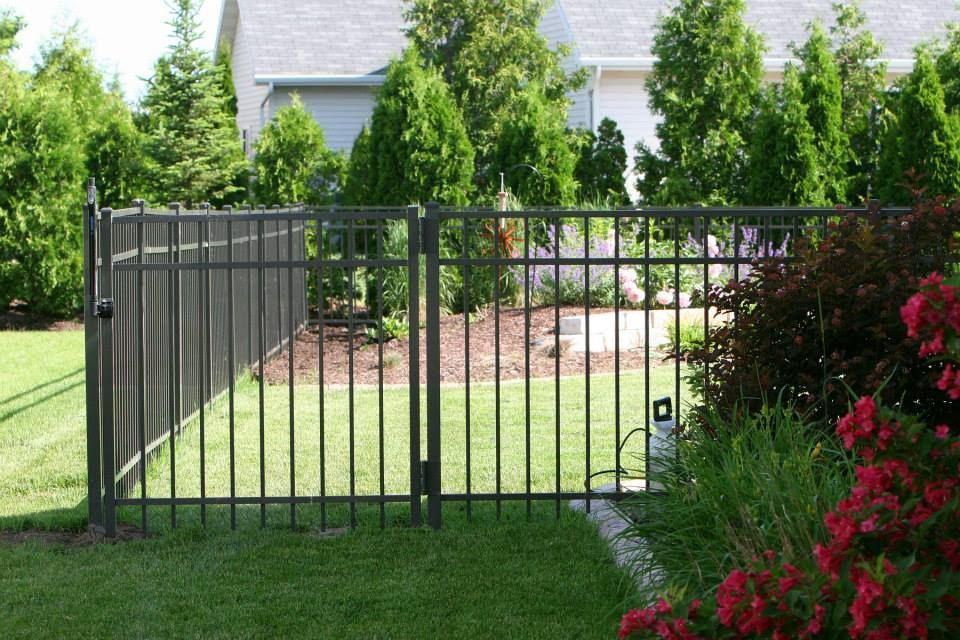
Aluminum fencing is an attractive option for homeowners who want durability without extensive maintenance. Aluminum does not rot, and it generally does not require the repeated staining or painting associated with some other materials.
It also has strong recycling potential. According to the Aluminum Association, recycling aluminum uses about 5% of the energy required to produce primary aluminum from raw materials.
A professionally installed aluminum fence in Madison can be a sensible long-term option for front yards, pool areas, decorative boundaries, and properties where preserving an open view is important.
Why aluminum can be a sustainable choice
- Long service life
- Recyclable material
- Minimal routine maintenance
- Resistant to rot and insect damage
- Individual sections may be replaceable
The most sustainable product is often one that does not need to be removed and replaced frequently. Aluminum’s durability can make it a strong option when homeowners intend to keep the same fence for many years.
Chain Link Fencing for Practical, Long-Term Use
Chain link may not always be described as a green building product, but its durability and efficient use of material can make it a practical option.
A chain link fence in Madison, WI provides dependable containment without requiring solid panels or large amounts of raw material. The steel components may also be recyclable when the fence eventually reaches the end of its useful life.
Chain link works especially well for:
- Large residential yards
- Pet containment
- Garden protection
- Commercial properties
- Utility and boundary fencing
Because it is open rather than solid, chain link also allows sunlight, airflow, and visibility to continue through the fenced area.
Vinyl Fencing and Long-Term Durability
Vinyl is manufactured rather than renewable, so its environmental impact should be considered carefully. However, sustainability is not only determined by where a material begins. Longevity and maintenance also matter.
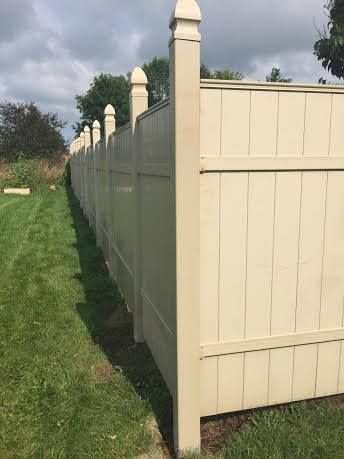
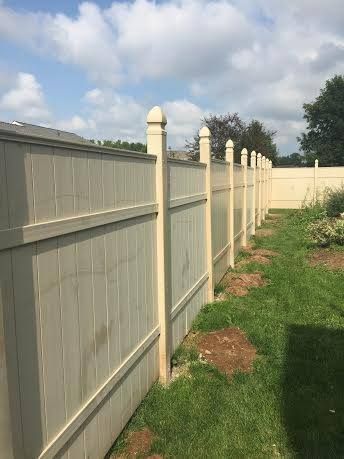
A quality vinyl fence in Madison can provide years of service without staining, sealing, or repainting. That can reduce the use of coatings, cleaning products, and replacement lumber over the fence’s lifetime.
Some manufacturers also incorporate recycled material into vinyl fencing products or operate recycling programs for manufacturing scraps. Homeowners interested in these features should ask about the specific product being considered.
Potential environmental advantages of vinyl
- Long lifespan when properly installed
- No routine painting or staining
- Resistant to moisture and insects
- Easy to clean
- Some products contain recycled content
Vinyl is most environmentally practical when a durable product is chosen, installed correctly, and maintained rather than treated as a disposable option.
Recycled-Content and Composite Fencing
Composite fencing is often manufactured using a combination of recycled wood fibers and plastics. Depending on the manufacturer, this can keep materials out of landfills while creating a durable fence product.
Composite fencing can provide the look of wood with less staining and sealing. However, homeowners should compare products carefully. Recycled-content percentages, warranties, repairability, and end-of-life recycling options can vary considerably between manufacturers.
Before choosing a composite fence, ask:
- What percentage of the product is recycled?
- Can individual boards or panels be replaced?
- Is the product recyclable after removal?
- How does it perform in Wisconsin temperature changes?
- What maintenance does the manufacturer recommend?
- Is the warranty appropriate for the expected lifespan?
Marketing language alone does not make a product sustainable. The actual composition and durability of the material matter.
Extend the Life of the Fence You Already Have
Sometimes the most eco-friendly fencing decision is not installing a new fence. If the existing structure is still sound, targeted repairs may significantly extend its useful life.
Replacing a few damaged boards, resetting a post, adjusting a gate, or reinforcing a weak section uses fewer resources than removing an entire fence.
Before deciding on a full replacement, homeowners should evaluate:
- How many posts are failing
- Whether damage is isolated or widespread
- Whether rot has reached the rails and framing
- Whether the fence still meets privacy and security needs
- Whether repair costs are reasonable compared with replacement
A well-timed repair can prevent a small problem from becoming a much larger one.
Plan the Fence Carefully to Reduce Material Waste
Sustainable fencing begins before the first post is installed. Careful measurements and a well-designed layout help reduce unnecessary cuts, excess material, and avoidable construction waste.
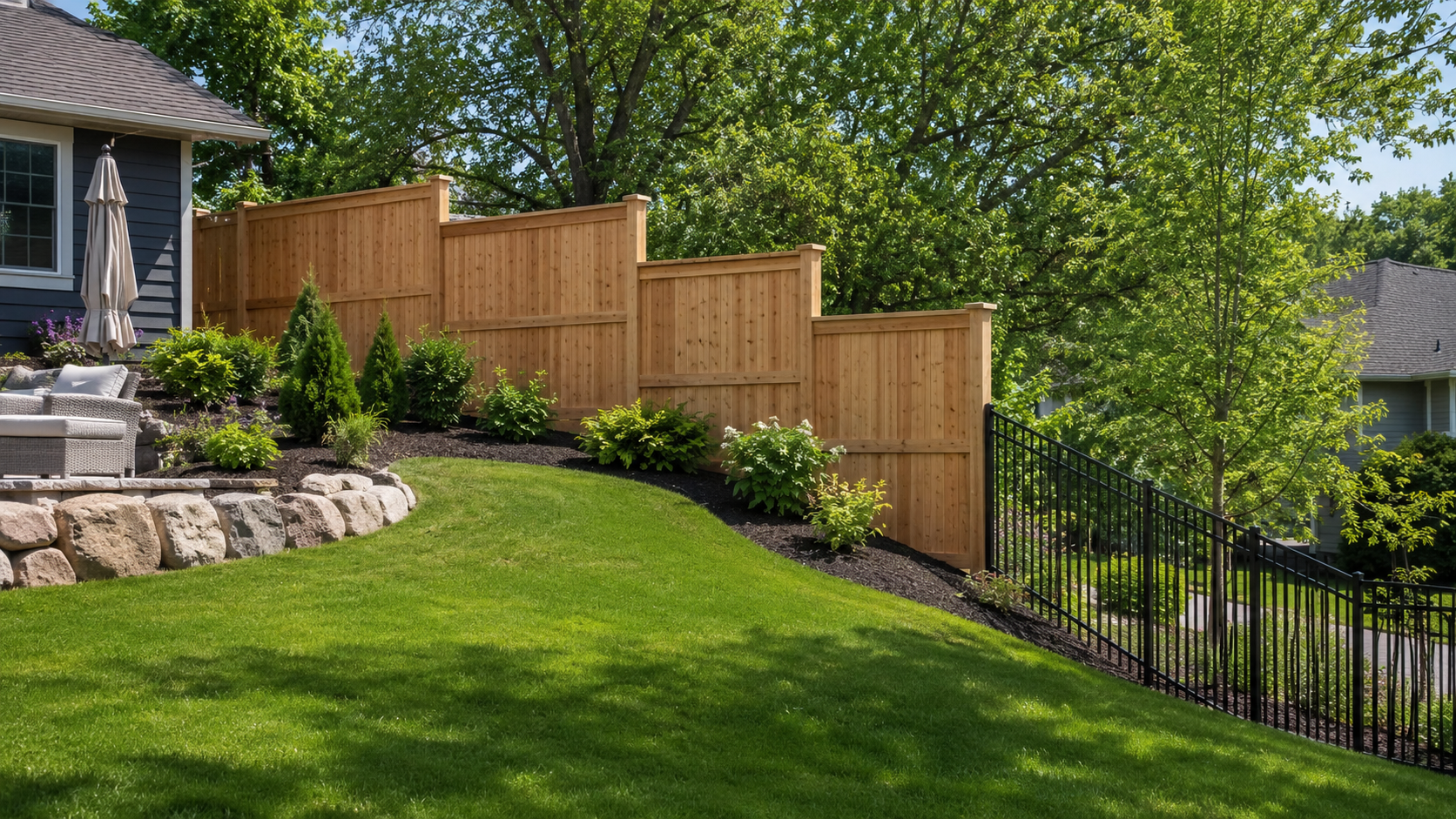
Professional planning is especially important on irregular lots and yards with elevation changes. Our guide to fencing solutions for uneven or sloped yards explains how stepped and racked fencing methods can accommodate changing grades.
Other ways to reduce waste include:
- Designing around healthy mature trees when practical
- Using standard panel dimensions efficiently
- Planning gates before ordering materials
- Avoiding unnecessary decorative sections
- Reusing suitable existing posts or hardware when safe
- Separating recyclable materials during removal
Accurate planning is not just environmentally responsible. It can also help control project costs.
Protect Drainage and Existing Landscaping
Fence installation can affect soil, drainage, tree roots, and established landscaping. A responsible installation should minimize unnecessary disturbance and avoid creating new water problems.
Madison-area homeowners should consider how rainwater, snowmelt, and runoff currently move through the property. Solid privacy fencing, grading changes, and landscaping beds can influence drainage patterns if the project is not planned correctly.
A thoughtful installation may include:
- Protecting major tree roots
- Avoiding unnecessary soil compaction
- Preserving established drainage paths
- Limiting disturbance outside the work area
- Selecting fence styles that allow airflow where needed
- Positioning gates to protect lawns and garden beds
The fence should work with the property rather than creating new maintenance or drainage problems.
Choose Lower-Impact Fence Maintenance
Maintenance products also contribute to the environmental impact of a fence. Wood preservatives, paints, stains, cleaners, and weed-control products should be selected and used carefully.
Homeowners can reduce unnecessary chemical use by:
- Choosing durable, high-quality exterior stains
- Following manufacturer application instructions
- Cleaning with the least aggressive effective product
- Avoiding excessive pressure washing
- Repairing moisture problems before applying coatings
- Keeping soil and mulch away from wood components
- Using manual vegetation control around the fence line
Applying more product than necessary does not improve protection and can increase runoff into lawns, gardens, and storm drains.
Consider Local Conditions in Madison, WI
A sustainable fence must be able to handle the conditions where it is installed. Madison fences are exposed to freezing temperatures, snow, spring moisture, summer heat, storms, and repeated freeze-thaw cycles.
Choosing a material that performs well in Wisconsin can help prevent premature replacement. Proper post depth, drainage, hardware, spacing, and installation methods are just as important as the fence material itself.
Working with an experienced Madison fence installation contractor helps ensure the design is appropriate for the property and the local climate.
Which Eco-Friendly Fence Is Best for Your Home?
The right choice depends on your priorities.
Choose responsibly sourced wood if:
You want a natural appearance, renewable material, and the ability to repair individual components.
Choose aluminum if:
You want a durable, recyclable fence with minimal maintenance and an open appearance.
Choose chain link if:
You need practical containment, efficient material use, and long-term functionality.
Choose vinyl if:
You value longevity, privacy, and avoiding routine painting or staining.
Consider composite fencing if:
You want recycled content and lower maintenance, and you have verified the product’s durability and warranty.
No material is perfect in every category. The most responsible decision is usually the fence that meets your needs, performs well on your property, and remains in service for the longest practical period.
Build a Fence Designed to Last
Eco-friendly fencing is not about following a trend or choosing a product based on a green label. It is about making informed decisions that reduce waste, limit unnecessary maintenance, and create a fence that will serve the property for years.
Good Neighbor Fencing installs wood, vinyl, aluminum, and chain link fencing for homeowners throughout Madison and Dane County. We can help you compare materials, understand maintenance expectations, and choose a design that fits your home, yard, and long-term priorities.
Get a Free Quote Today!
Contact Us