Pool Safety Fences That Meet Wisconsin Codes
What Madison, WI homeowners should know about choosing a pool fence that improves safety, supports compliance, and fits their property
Adding a pool can make summer in Madison a lot more enjoyable, but it also comes with serious safety responsibilities. For homeowners planning a new pool or upgrading an existing backyard, one of the most important features is the fence around it. A properly designed pool safety fence helps reduce unsupervised access, creates a more secure outdoor space, and supports compliance with applicable Wisconsin and local requirements.
In Madison, pool projects are not just about picking a style that looks good. They also need to account for access control, layout, setbacks, and barrier requirements. That is why it is important to work with a fencing contractor who understands how safety, function, and code-related considerations come together on a real residential property.
Why pool safety fencing matters
A pool fence is one of the most important safety features you can add to a backyard pool area. It helps create a controlled entry point, limits access when the pool is not in use, and adds peace of mind for households with children, pets, or frequent guests.
It also helps organize the space better. A well-planned pool fence can separate the water area from the rest of the yard, create a cleaner layout, and improve privacy at the same time. For many homeowners, that means the fence is doing more than one job. It is helping with safety, appearance, and long-term property value.
If you are still comparing materials, our guide to choosing the right fence for your home in Madison, Wisconsin is a helpful place to start.
What Madison homeowners should know about pool fence requirements
For residential properties in Madison, in-ground pools generally need to be enclosed by a fence at least four feet high. The fence also needs a gate with a lock. For some above-ground pools with walls over four feet high, controlled access such as a removable ladder may satisfy the access limitation requirement instead of a separate surrounding fence. Because every property is different, homeowners should always verify the current permit and code requirements before installation.
That last part matters. Pool compliance is not only about fence height. Your project may also need to address where the pool sits on the lot, how the gate works, and whether the barrier design leaves climbable gaps or weak points.
This is one reason many Madison homeowners start with a local fence installation contractor in Madison rather than trying to piece together a solution after the pool is already planned.
Key features of a code-conscious pool safety fence
A pool fence should do more than look attractive from the patio. It should be built with the purpose of limiting access and creating a secure perimeter.
Proper height
Height is one of the first things people think about with pool fencing, and for good reason. A fence that is too short may not provide the level of protection or compliance your project needs.
Controlled gate access
The gate is one of the most important parts of the entire fence system. It should close reliably and help prevent easy, unsupervised entry into the pool area.
Limited gaps and climbability
A pool fence should not create easy footholds, oversized gaps, or other features that make it easier to get through or over. The overall design matters as much as the material.
Durable materials
Pool areas are exposed to constant sun, splashing water, changing temperatures, and regular foot traffic. Choosing the right material helps the fence hold up better over time.
Layout that fits the property
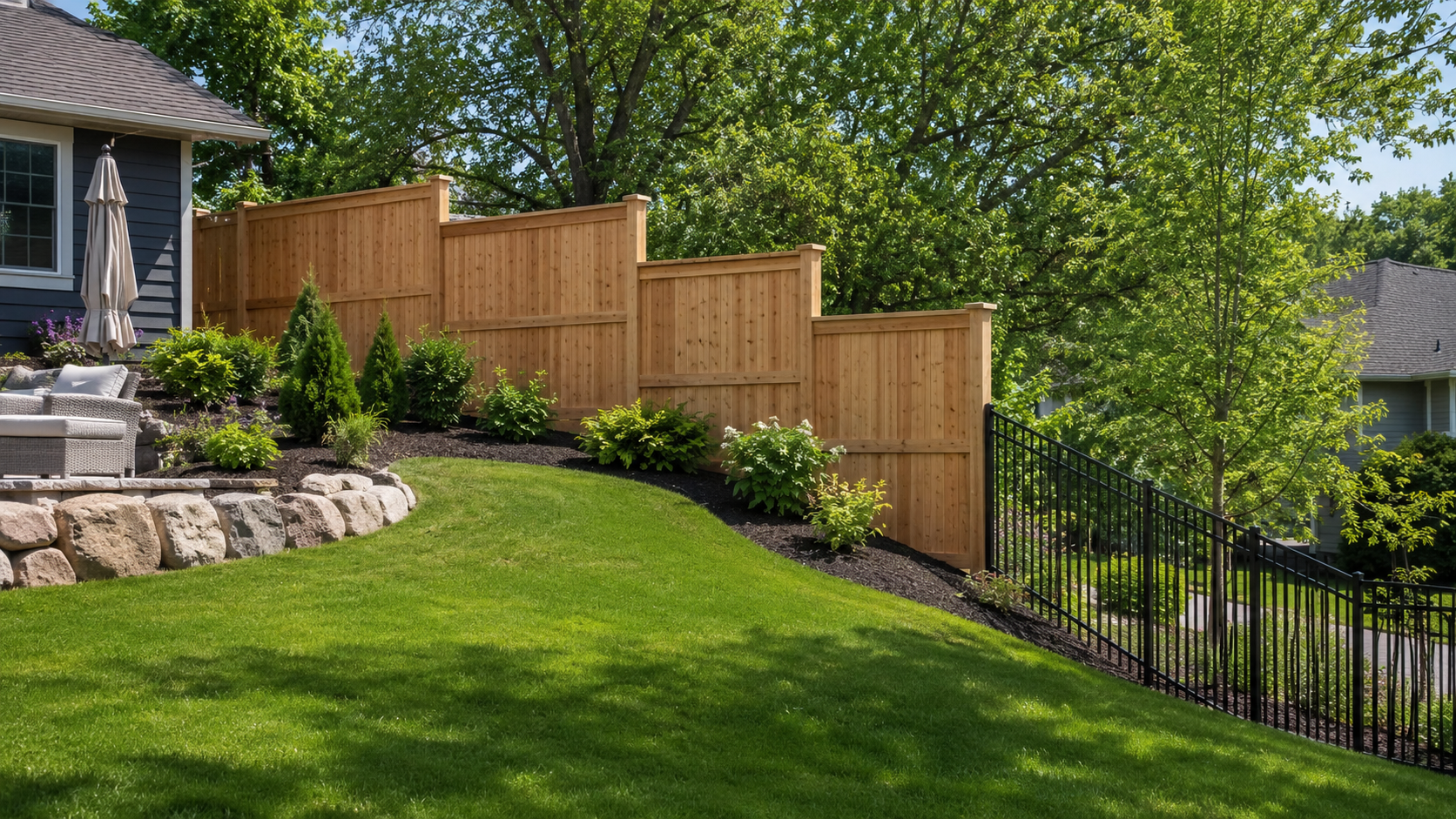
A pool fence should work with the shape of the yard, nearby hardscaping, gates, and how people actually move through the backyard. This is especially important on corner lots, tighter Madison properties, or yards with slopes.
If your property has grading challenges, our post on fencing solutions for uneven or sloped yards can help you think through those design considerations.
Best fence materials for pool safety
Different materials can work well around pools, but the best choice depends on your priorities.
Aluminum pool fencing
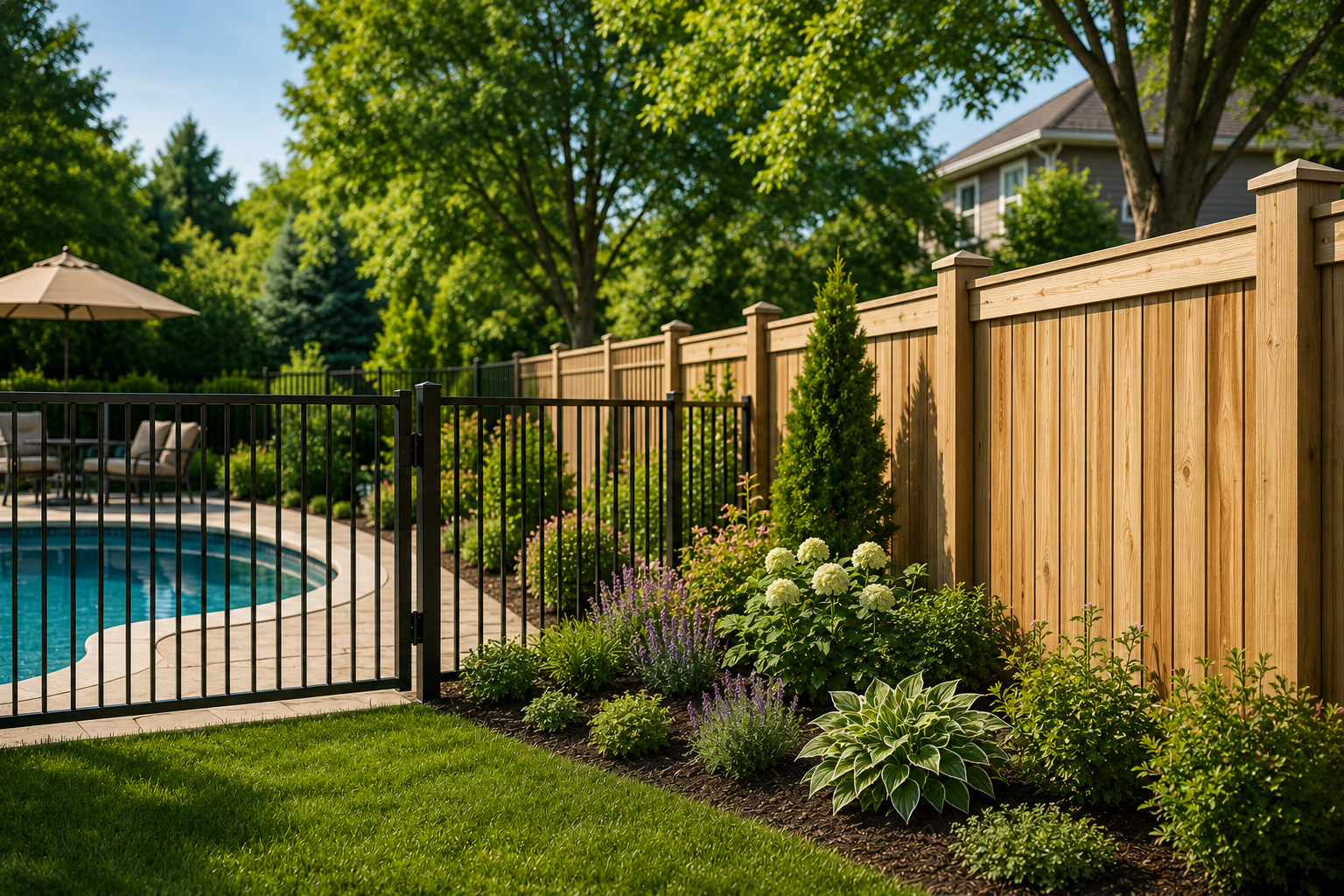
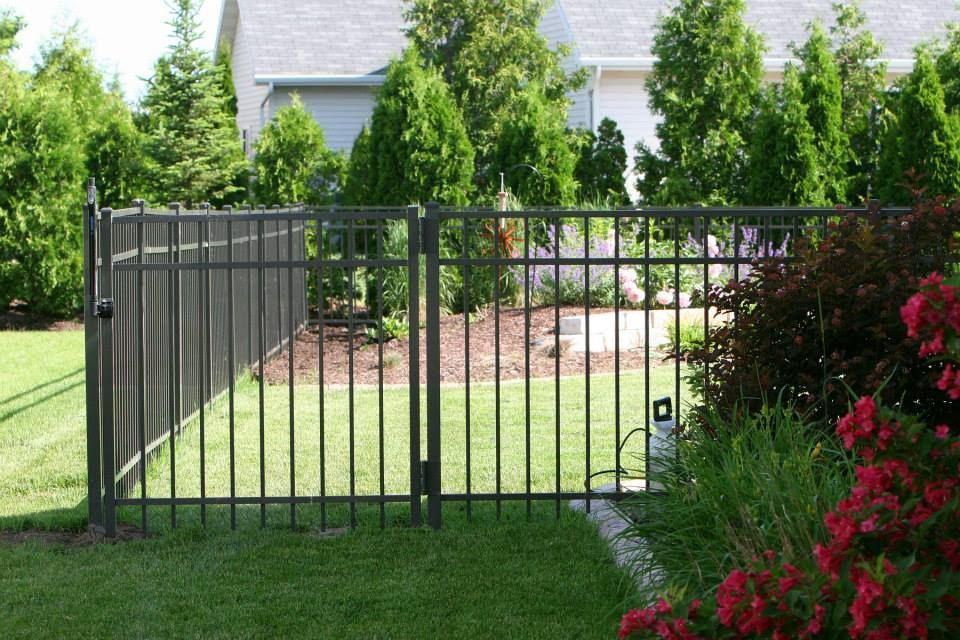
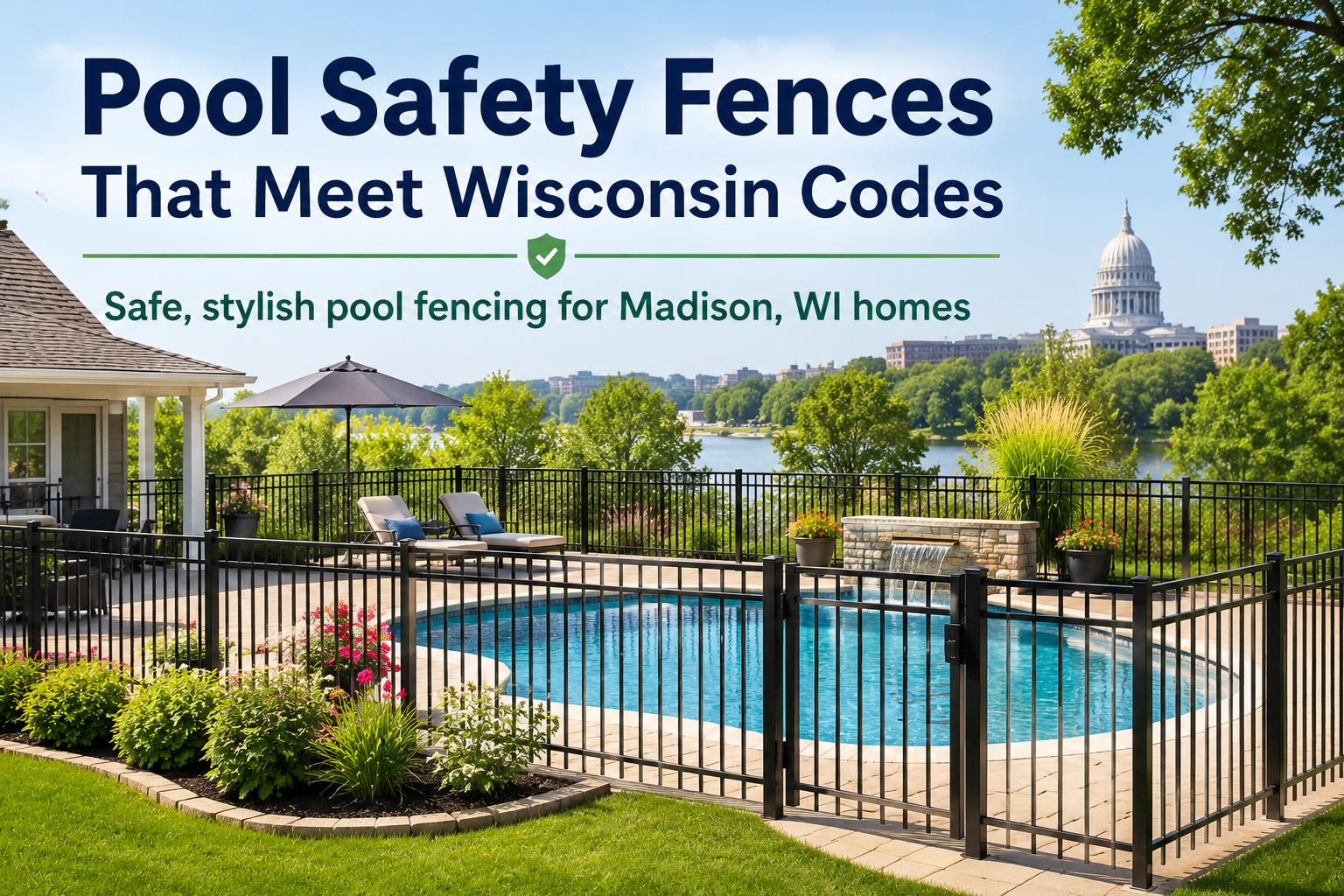
Aluminum is one of the most popular choices for pool areas because it offers a clean look, strong perimeter definition, and lower maintenance. It works especially well for homeowners who want a more open feel around the pool while still creating a secure enclosure.
Learn more about our aluminum fencing in Madison, WI.
Vinyl pool fencing
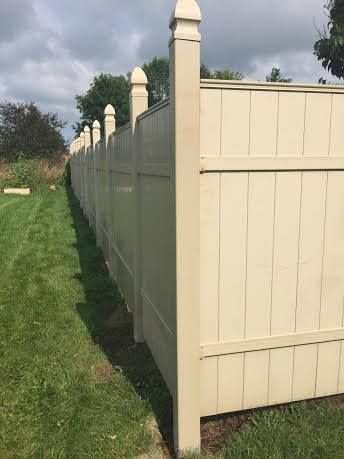
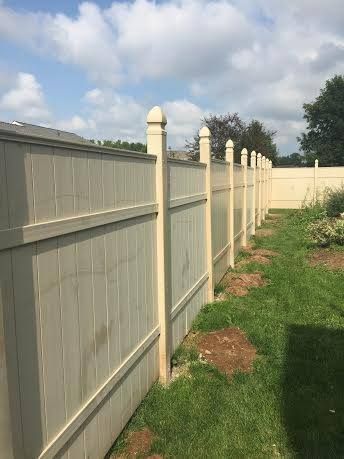
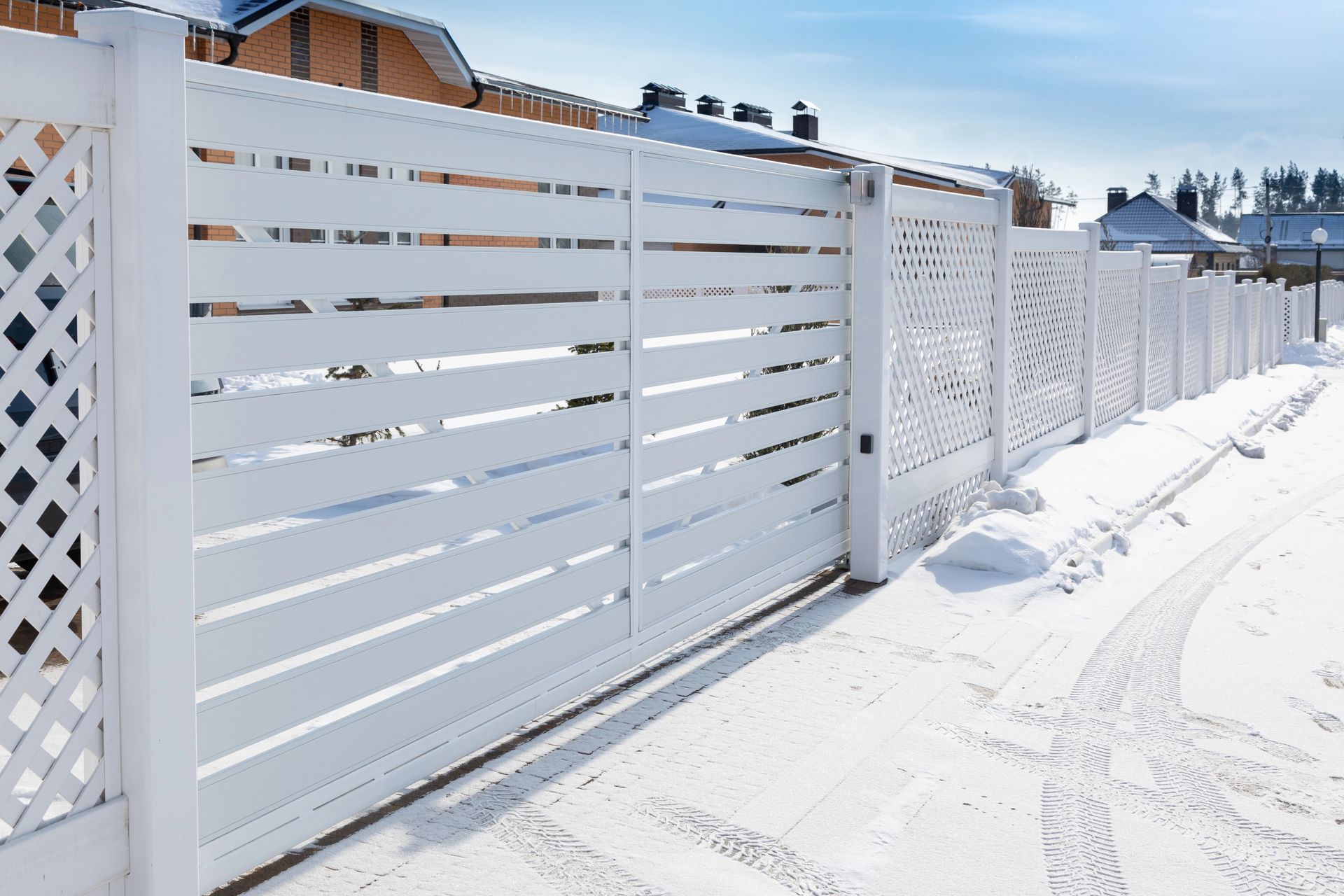
Vinyl can be a strong option for homeowners who want more privacy around the pool area. It gives the yard a more enclosed look and can help block views from neighboring properties.
See our vinyl fencing options in Madison, WI.
Wood pool fencing
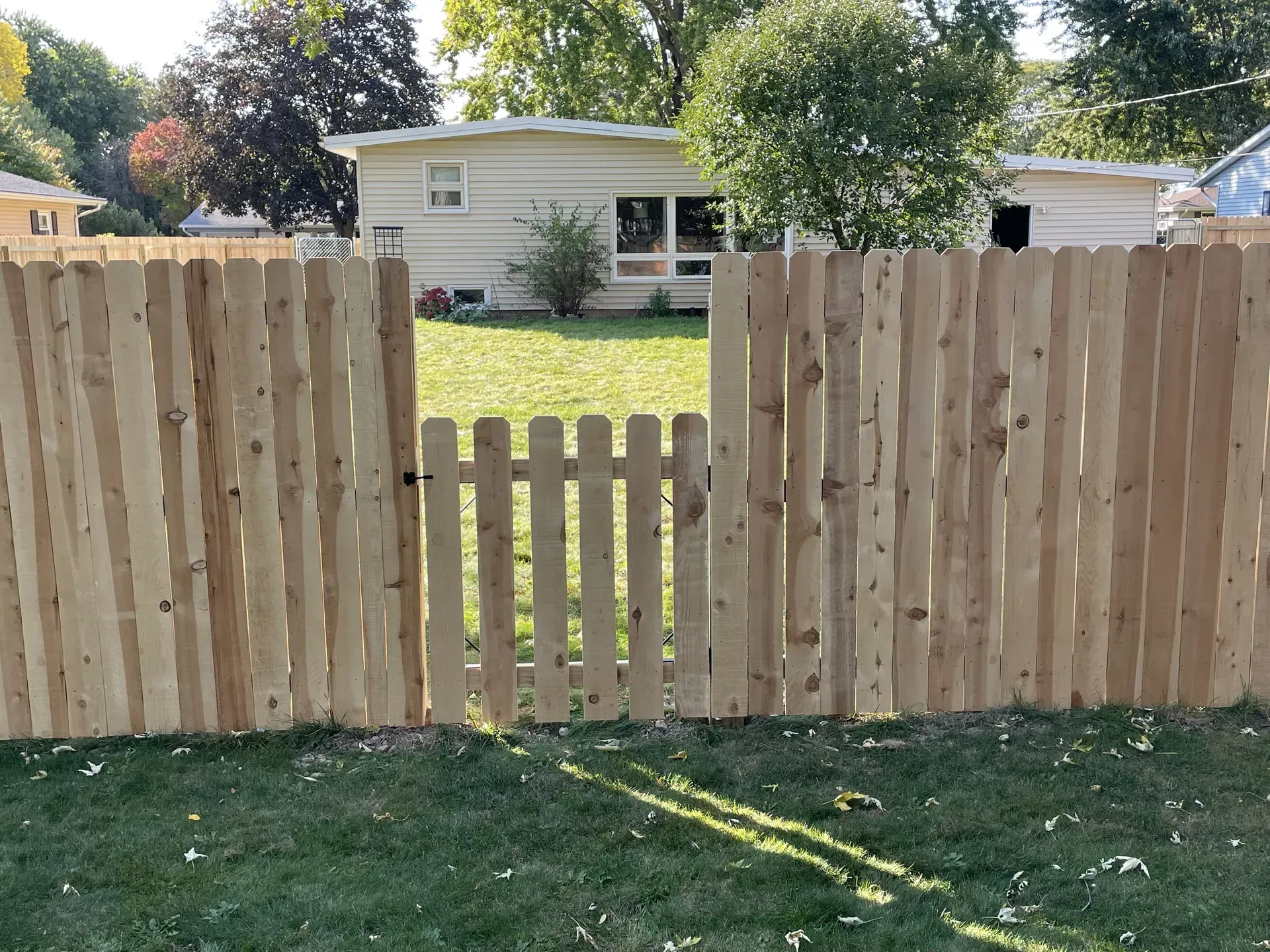
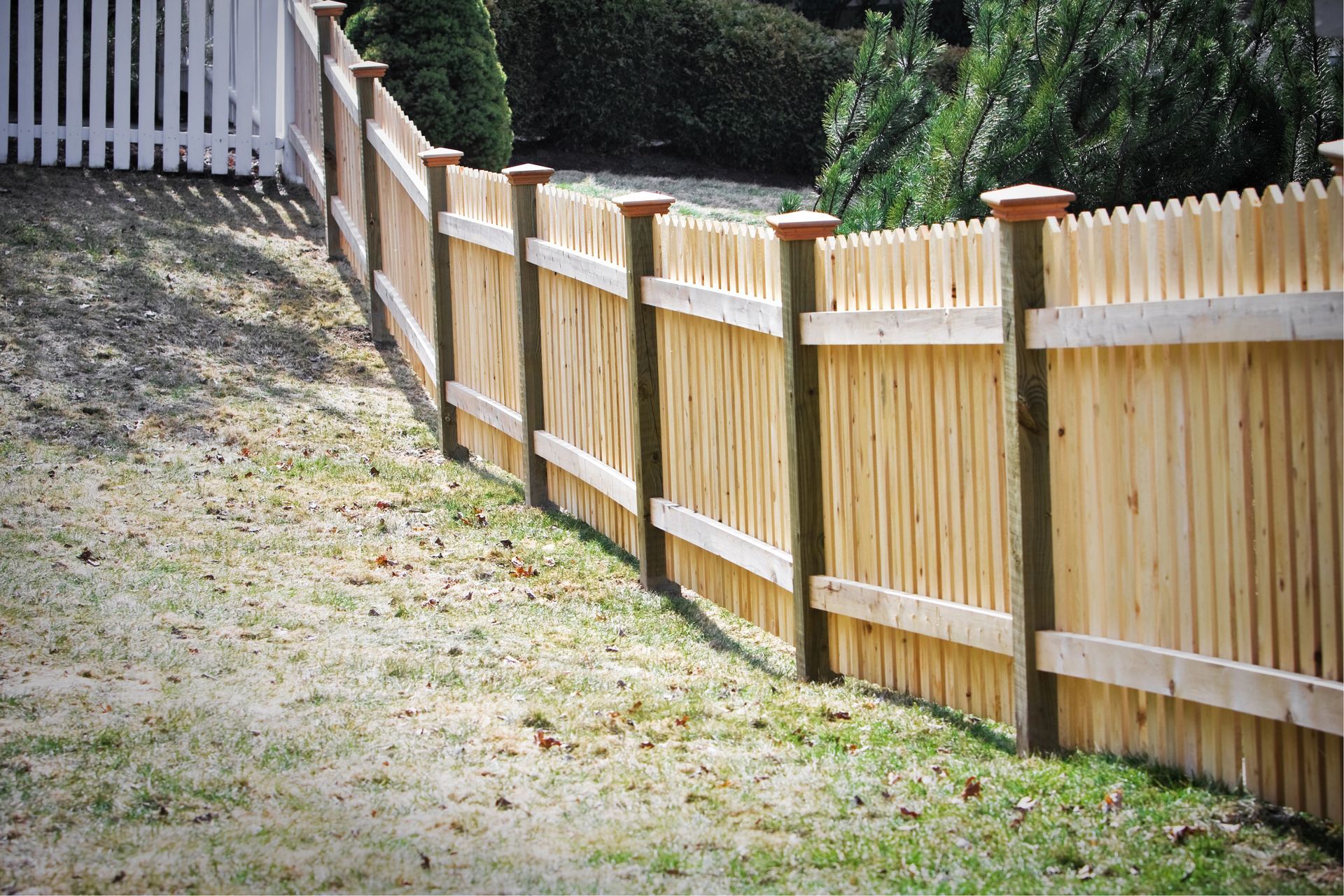
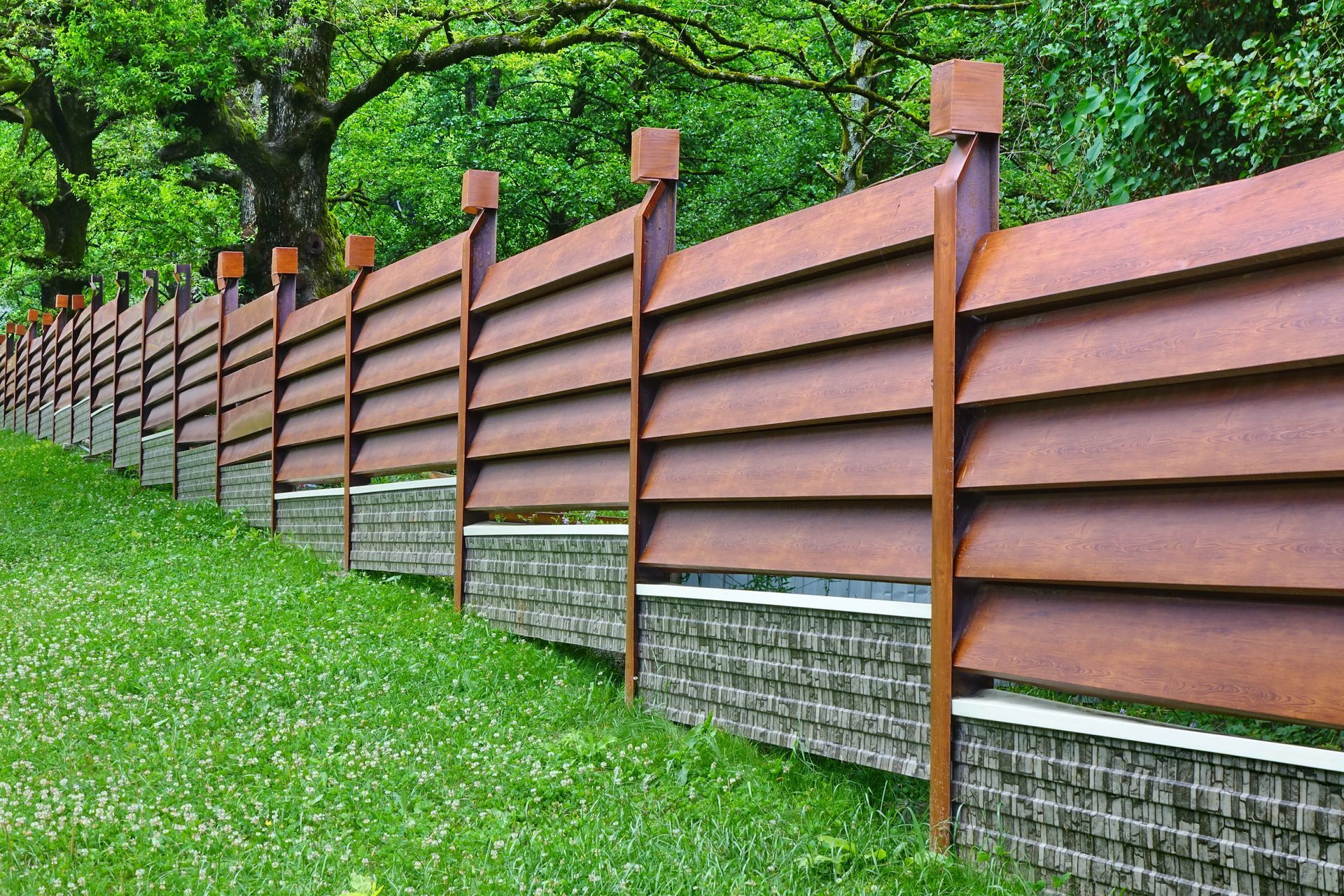
Wood fencing is a classic choice for privacy and natural curb appeal. It can work well around pool areas when designed and installed correctly, especially for homeowners who want the fence to match the rest of the backyard.
Explore our wood fencing services in Madison, WI.
Chain link for practical containment
In some situations, chain link can be a practical, budget-conscious way to create a secure boundary. It is often chosen when function and visibility matter more than privacy.
Take a look at our chain link fencing in Madison, WI.
Choosing the right pool fence style for your home
The best pool fence is not always the one with the most decorative look. It is the one that fits your layout, supports safety goals, and works with the design of the home.
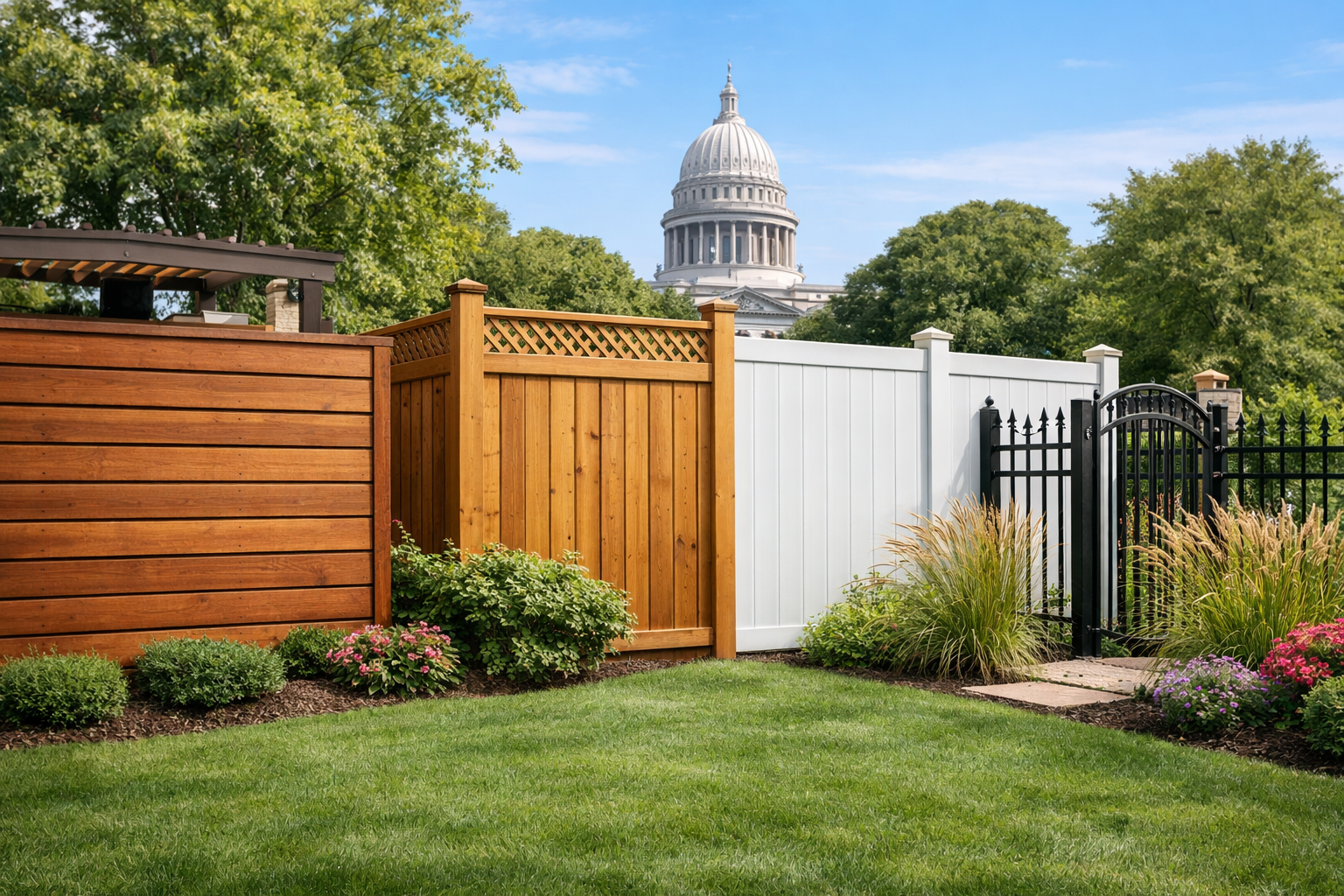
For some homeowners, that means an ornamental aluminum fence that keeps the pool visible from the patio or kitchen. For others, it means a full privacy fence that makes the backyard feel more secluded. The right answer depends on how you use the space, who uses the pool, and how much privacy you want.
If privacy is a major goal, you may also want to read privacy fence designs that also boost curb appeal.
Common mistakes to avoid with pool fencing
One of the biggest mistakes homeowners make is treating a pool fence like a standard backyard fence. Pool barriers have a different job. They need to help control access, not just outline a property line.
Other common issues include:
- Choosing a style before checking setback and permit requirements
- Overlooking gate placement and how it will operate day to day
- Picking a material based only on appearance
- Leaving climbable elements or wide openings in the design
- Waiting until after the pool is installed to plan the fence
The smarter move is to think about the fence early, while the full pool project is still being planned.
Why local experience matters in Madison, WI
Madison homeowners have to think about more than general fence design. Local permitting, lot layout, neighborhood conditions, and Wisconsin weather all affect how well a pool fence performs. A contractor who regularly works in Madison is more likely to spot layout issues early and recommend a solution that makes sense for both safety and long-term use.
At Good Neighbor Fencing, we help homeowners throughout Madison choose fencing solutions that balance appearance, durability, and function. Whether you want an elegant aluminum enclosure, a private vinyl barrier, or a custom wood fence, we can help you plan a pool fence that fits your yard and supports your goals.
Visit our Madison fencing page to learn more about our local service area and installation options.
Final thoughts
A pool fence is one of the most important upgrades you can make to a backyard pool area. The right design helps improve safety, support compliance, and create a more usable outdoor space for your family.
If you are planning a pool project in Madison, WI, do not wait until the last minute to think about the fence. Start with a layout and material that make sense for your yard, your privacy needs, and the current code requirements that may apply to your property.
To get started, contact Good Neighbor Fencing for a quote on a pool safety fence designed for your Madison home.
Get a Free Quote Today!
Contact Us