Weatherproofing Wood Fences for Harsh Winters
How Madison, WI homeowners can protect wood fencing from snow, moisture, freezing temperatures, and seasonal damage
Wood fencing adds warmth, privacy, and natural character to a property, but Wisconsin winters can be hard on it. In Madison, fences are exposed to snow, ice, freezing temperatures, moisture, wind, and repeated freeze-thaw cycles that can gradually weaken boards, rails, posts, and gates.
The good news is that proper maintenance can make a major difference.
A well-built wood fence in Madison, WI can provide years of dependable service when homeowners take the right steps to protect it from moisture and seasonal stress. At Good Neighbor Fencing, we help homeowners throughout Madison and Dane County install and maintain fencing designed for Wisconsin conditions.
Why Wisconsin Winters Are Tough on Wood Fences
Winter damage usually does not come from cold temperatures alone. Moisture is one of the biggest concerns.
Wood naturally absorbs and releases moisture. When wet wood freezes, that moisture expands. As temperatures rise again, the wood thaws. Repeated cycles of freezing and thawing can contribute to cracking, splitting, warping, loose hardware, and shifting fence components.
Madison fences also have to contend with:
- Heavy snow accumulation
- Ice buildup
- Wet fall and spring conditions
- Frozen soil
- High winds
- Snow pushed against fence panels
- Road salt and deicing products near driveways
Good Neighbor Fencing already recommends preparing fences before winter to reduce the risk of warping, shifting posts, sagging gates, and other seasonal damage.
Inspect Your Wood Fence Before Winter
The best time to find a weak spot is before snow covers it.
Walk the entire fence line during fall and look closely for areas that may need attention.
Check for:
- Loose or missing boards
- Cracked pickets
- Rot near the bottom of posts
- Leaning sections
- Loose screws or nails
- Sagging gates
- Peeling stain or sealant
- Areas where soil or mulch touches the wood
Small problems can become much larger after months of snow, moisture, and freezing temperatures.
If you find widespread damage, it may also be worth determining whether repair or replacement makes more sense rather than continuing to patch an aging fence.
Clean the Fence Before Applying Protection
Do not seal dirt, mildew, or debris into the wood.
Before applying stain or sealer, clean the fence and allow it to dry thoroughly. In many cases, mild soap, water, and a soft brush are enough to remove dirt and organic buildup.
Avoid overly aggressive pressure washing. Too much pressure can damage the surface fibers of the wood and leave the fence rough or uneven.
Good Neighbor Fencing's fall maintenance guidance recommends cleaning wood fencing before winter so dirt, pollen, grass clippings, and mildew are not left sitting on the surface for the season.
Apply a Quality Exterior Stain or Sealer
One of the most important steps in weatherproofing a wood fence is protecting it from moisture.
A quality exterior stain or wood sealer helps reduce how quickly water penetrates the wood. That can help limit swelling, cracking, and deterioration over time.
Depending on the product, homeowners may choose:
Transparent or semi-transparent stain
These options allow much of the natural wood grain to remain visible while adding moisture and UV protection.
Solid-color stain
Solid stain provides more color coverage while still protecting the surface of the wood.
Clear water-repellent sealer
A clear sealer can help protect against moisture while maintaining a more natural appearance.
Whatever product you choose, make sure it is intended for exterior wood and appropriate for your fence material.
Proper maintenance is particularly important with wood because its long-term performance depends heavily on protection from moisture. Good Neighbor Fencing notes that properly treated and maintained wood fencing can withstand the elements for many years.
Do Not Wait Until Freezing Weather to Seal the Fence
Timing matters.
Wood stain and sealer generally need appropriate temperatures and dry weather to cure correctly.
Applying a coating right before freezing temperatures or while the wood is damp can prevent proper adhesion and protection.
For Madison homeowners, late summer and early fall are often good times to inspect the fence and complete weatherproofing before winter conditions arrive.
Always follow the temperature and drying recommendations from the product manufacturer.
Keep Leaves, Mulch, and Soil Away From the Fence
Moisture trapped against wood is one of the fastest ways to shorten the life of a fence.
Leaves, mulch, weeds, and soil can hold water against boards and posts for extended periods. Over time, this creates conditions that encourage rot.
Before winter:
- Remove leaves along the fence line
- Trim back vegetation
- Keep mulch from piling against boards
- Avoid storing firewood against the fence
- Make sure drainage carries water away from posts
Good airflow around the fence helps the wood dry after rain and melting snow.
This is also one of the simple lower-impact maintenance practices discussed in our guide to eco-friendly fencing materials and practices.
Watch Where Snow Is Piled
A snow-covered fence may look harmless, but heavy snow can create considerable pressure.
Avoid repeatedly pushing snow against a wood privacy fence when shoveling or using a snowblower.
Over time, the weight can contribute to leaning posts, bowed boards, or damaged panels.
Be especially careful along:
- Driveways
- Sidewalks
- Parking areas
- Plowed sections of the property
If snow naturally drifts against the fence, avoid aggressively chipping away frozen snow or ice with metal tools. You can easily damage boards or finishes.
Good Neighbor Fencing specifically recommends keeping heavy snow and debris from accumulating against fences and allowing air to move around the structure.
Protect Fence Posts From Standing Water
Fence posts carry the structural load of the entire system, so protecting them is particularly important.
Water pooling around posts can contribute to deterioration and soil movement. Once the ground freezes, saturated soil can also expand and place additional stress around the post.
Take a look at your yard during heavy rain or snowmelt. If water consistently collects around fence posts, drainage may need attention.
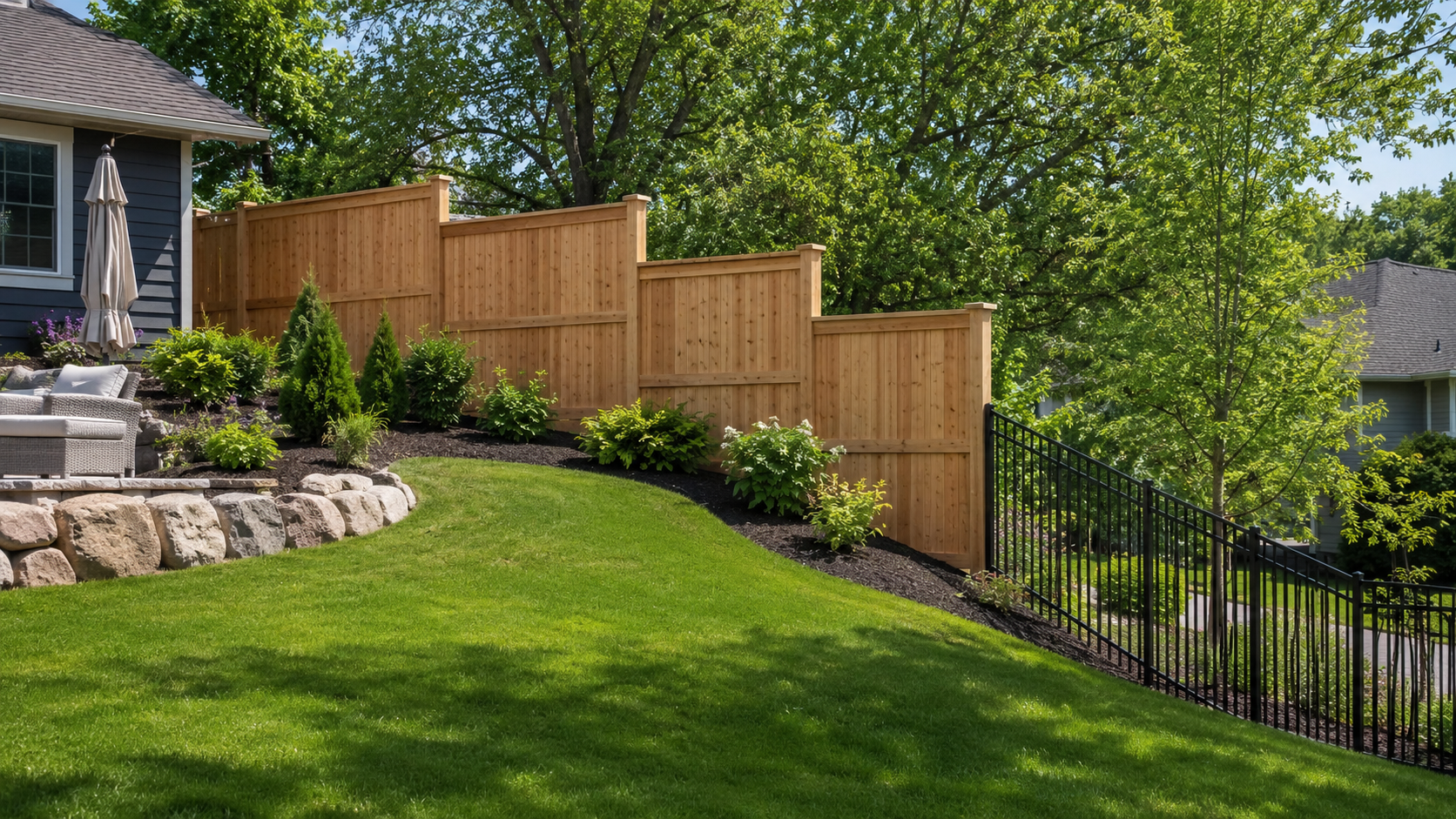
Properties with significant grade changes can require additional planning. Our guide to fencing solutions for uneven or sloped yards explains some of the challenges involved with installing fences across changing terrain.
Check Gates and Hardware
Gates tend to experience more wear than almost any other part of a fence.
Before winter, check:
- Hinges
- Latches
- Screws and bolts
- Gate posts
- Ground clearance
- Alignment
Tighten loose hardware and make sure the gate opens and closes smoothly.
Cold weather can make metal hardware more difficult to operate, while frost movement and snow buildup can cause gates to drag or become misaligned.
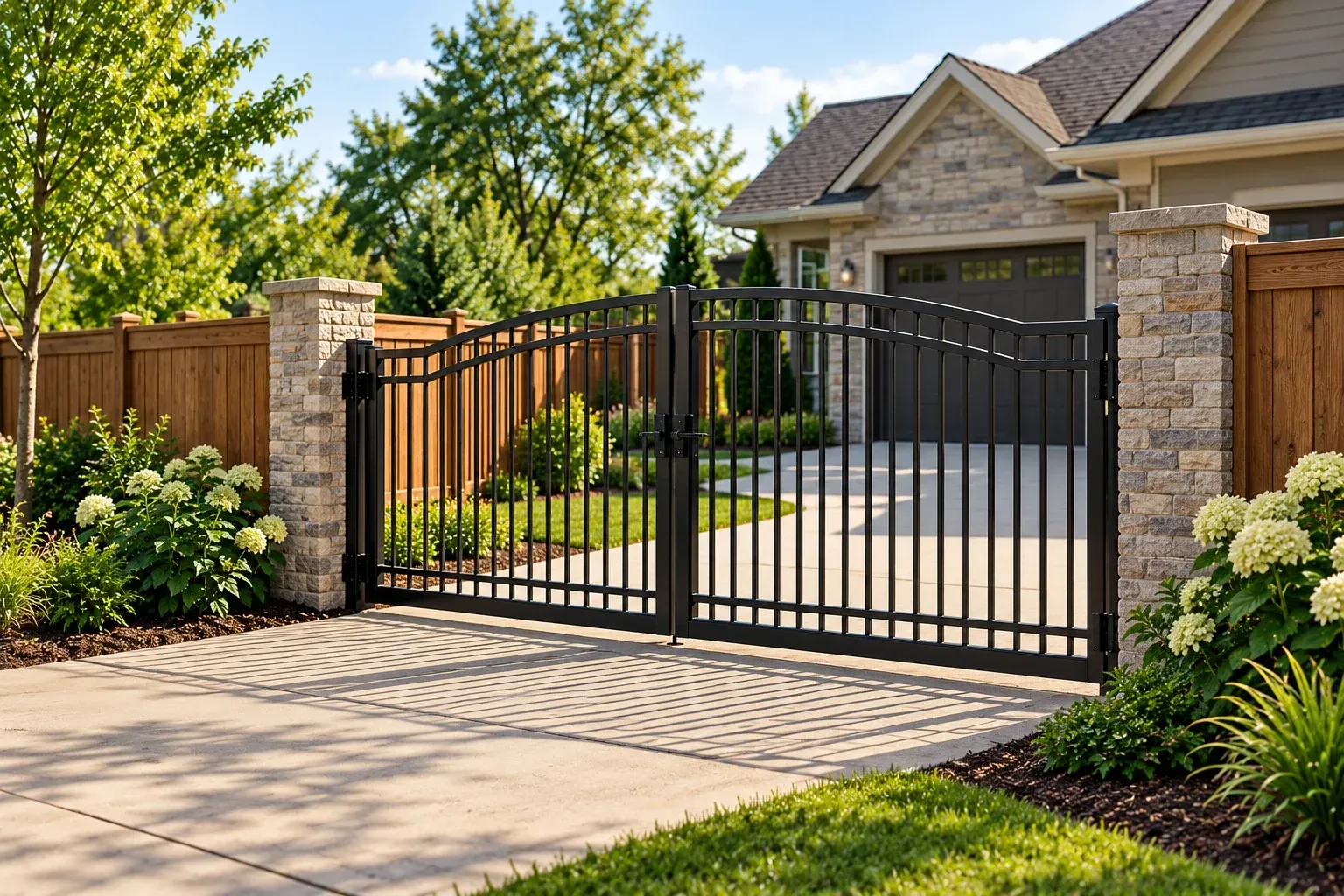
If you have a larger or specialized gate, our guide to gate systems that add convenience and security explains why proper gate design and placement matter throughout the year.
Trim Trees and Branches Near the Fence
Snow and ice can make tree limbs dramatically heavier.
Branches hanging over your fence may break during winter storms and damage boards, rails, or posts. Trimming questionable branches before winter can prevent an expensive repair later.
Shrubs and vines growing directly against the fence should also be trimmed back so the wood has better airflow and does not remain damp.
Avoid Road Salt Around Wood Fencing
If your fence runs near a driveway or sidewalk, be careful when applying deicing salt.
Repeated exposure to salt and salty snow can be hard on landscaping, soil, hardware, and exterior materials.
Try to keep heavily salted snow from being shoveled directly against fence posts or panels.
Where practical, leave a little space between treated walkways and the fence line.
Repair Minor Damage Before Winter Makes It Worse
Winter has a way of turning minor fence problems into major ones.
A loose board can become a broken board. A slightly leaning post can shift further. A small crack can expand after water enters and freezes.
Taking care of small repairs in the fall can help avoid more extensive work in spring.
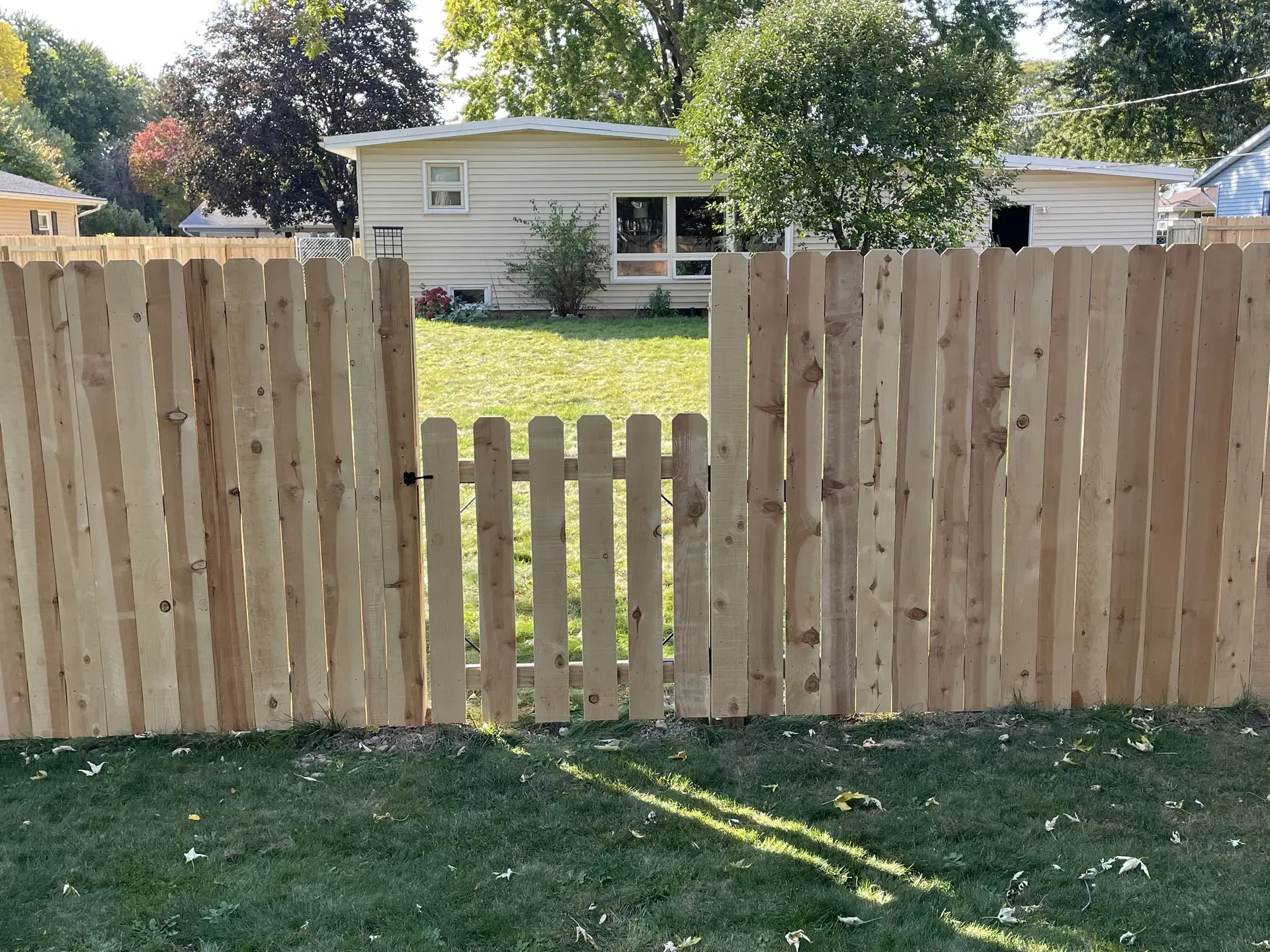
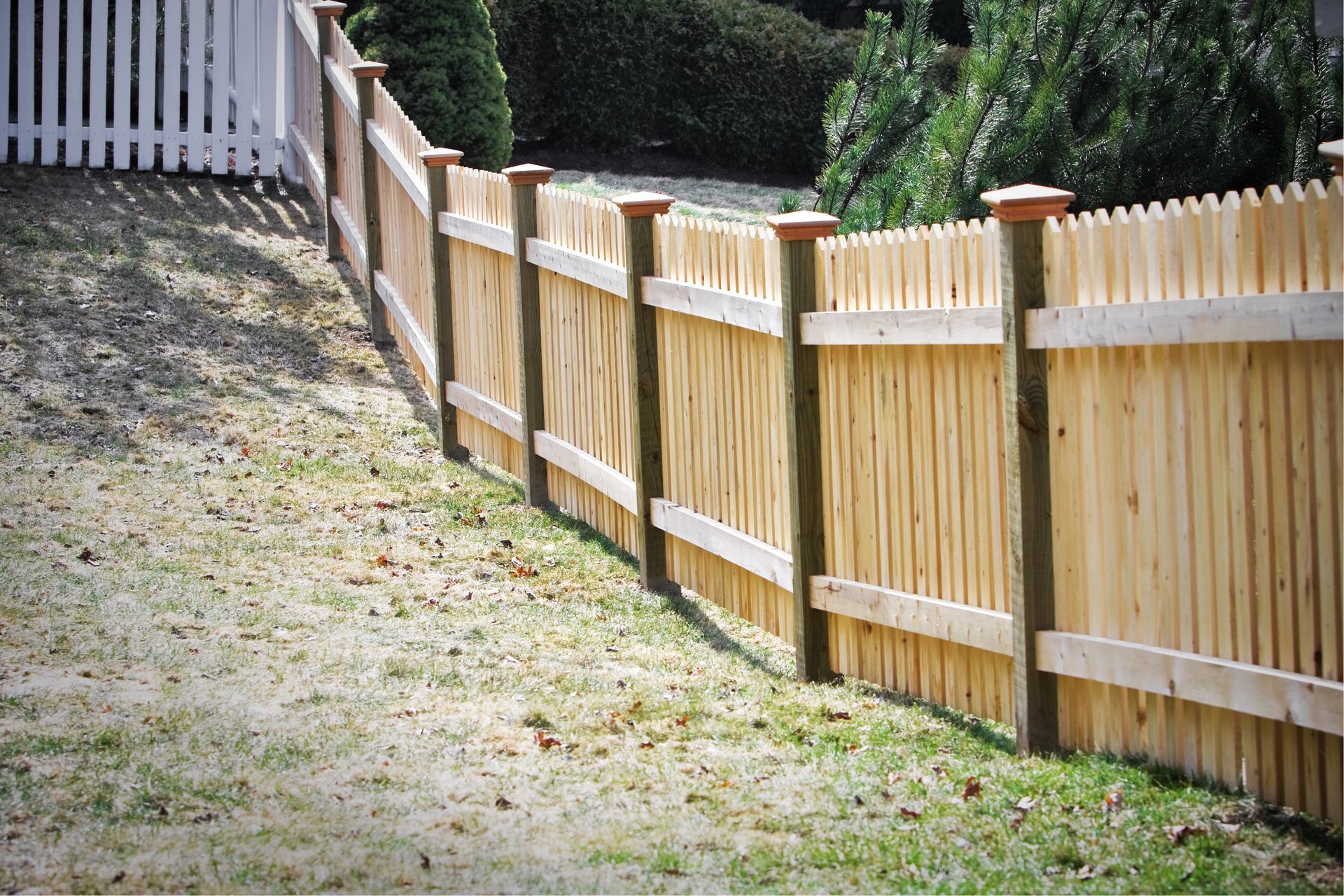
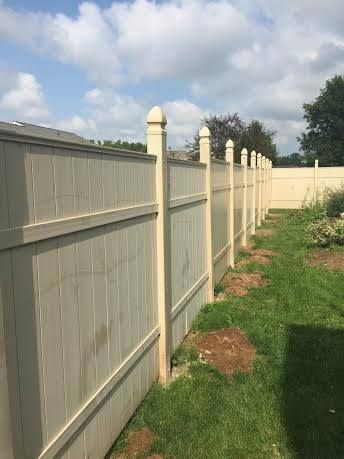
A recent wood privacy fence installation in Madison shows how properly installed wood fencing can provide a strong, defined boundary while maintaining the natural appearance many Madison homeowners prefer.
Should You Cover a Wood Fence for Winter?
Usually, no.
Wrapping a wood fence in plastic or another non-breathable material can actually trap moisture against the wood and create more problems.
Wood needs airflow.
The better approach is to:
- Seal the wood properly
- Keep debris away
- Maintain drainage
- Remove excessive snow buildup
- Repair damaged components
- Allow the fence to breathe
Weatherproofing is about helping the wood manage moisture rather than completely sealing it off from the outdoors.
Choose the Right Wood Fence From the Beginning
Long-term winter performance starts with the fence itself.
Material quality, post installation, hardware, drainage, and construction all influence how a fence handles Wisconsin weather.
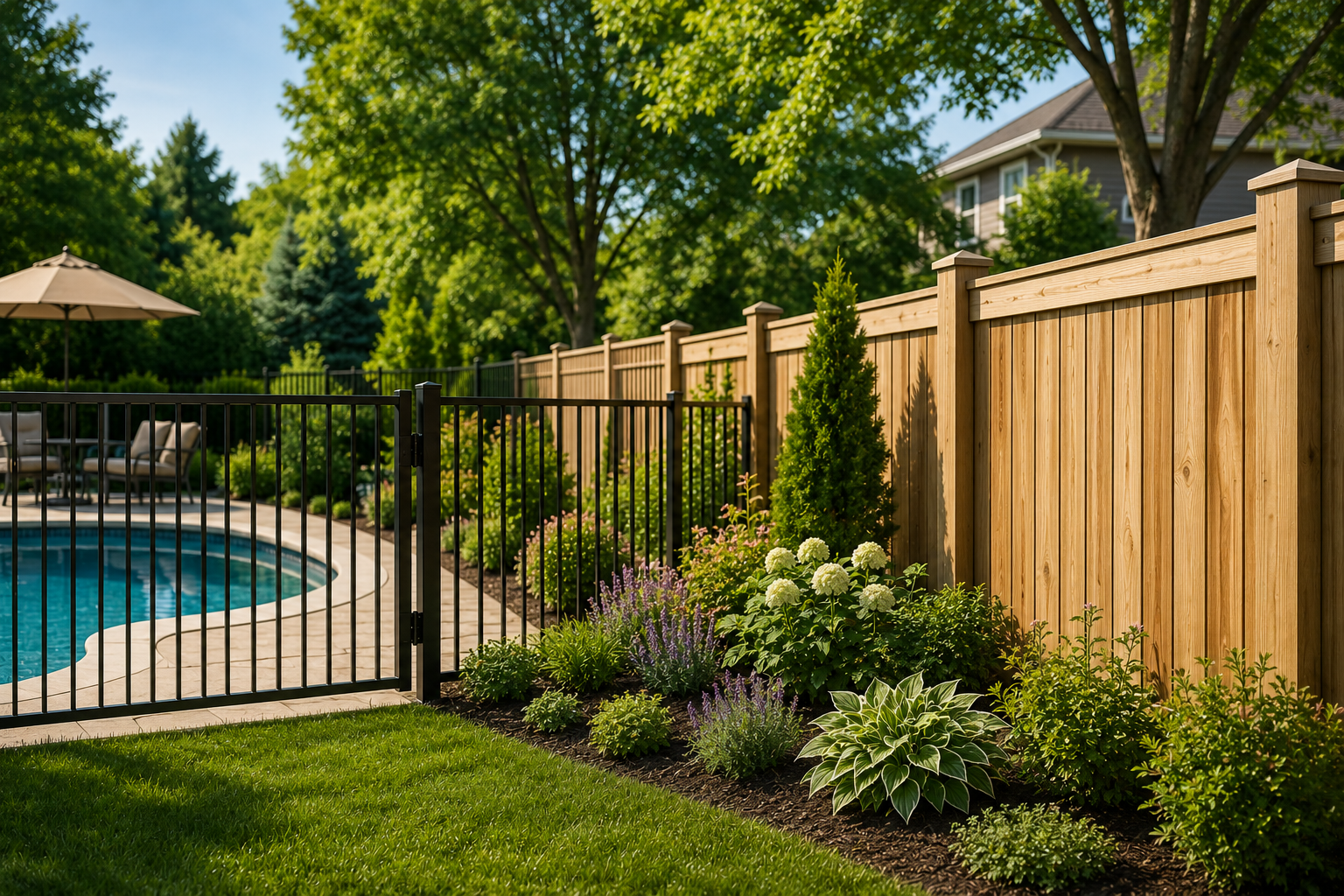
Cedar is a popular fencing material because of its natural resistance to decay and insects, while properly treated lumber can also perform well when maintained correctly. Good Neighbor Fencing discusses these considerations in its comparison of wood and vinyl fencing in Wisconsin's climate.
If you are installing a new fence, our guide to choosing the right fence material for Wisconsin weather can also help you compare your options.
Protect Your Wood Fence Before Madison Winter Arrives
A wood fence can handle Wisconsin winters, but it should not be ignored.
Cleaning the fence, sealing exposed wood, repairing damaged sections, maintaining drainage, trimming vegetation, and keeping heavy snow away from panels can all help extend its lifespan.
A little fall maintenance is far less expensive than replacing rotted posts or damaged fence sections later.
Good Neighbor Fencing provides professional fence installation in Madison, WI and serves homeowners throughout Dane County and surrounding Wisconsin communities.
If your wood fence needs attention before winter or you are considering replacing an older fence, contact Good Neighbor Fencing to discuss the best option for your property.
Get a Free Quote Today!
Contact Us